SYSTEM / FEB.2025
Artificial intelligence faces a long history of technological rejection
The printing press, power loom, photography, radio, synthesizer, and sampling all provoked intense fears before their adoption.


The article connects current fears surrounding AI with historical reactions against the printing press, power looms, photography, radio, the synthesizer, and sampling.
An age-old fear of new tools
Generative artificial intelligence arrives with a sense of rupture. Images appear in seconds. Text, voices, and videos emerge from a model. Creative professions, copyright, education, and intellectual work find themselves at the center of the debate.
This anxiety has a history. Technologies that change cultural production or work often trigger an initial reaction of rejection. The scenario recurs in different forms. A machine speeds up a human action. A profession feels threatened. An institution seeks to retain its authority. Then the tool becomes part of everyday use, accompanied by rules, conflicts, and new practices.
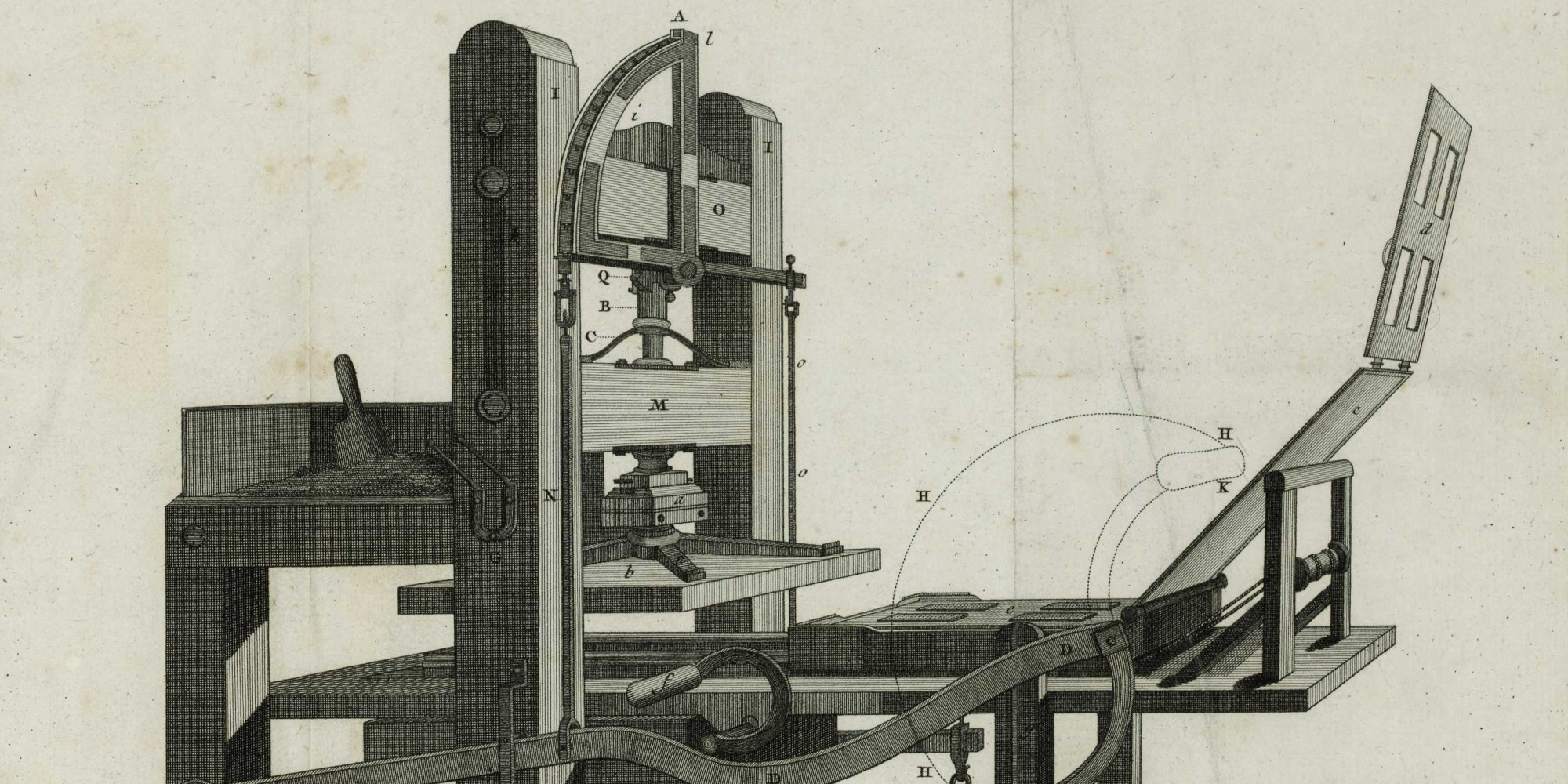
The printing press worries copyists
In the XVe century, the printing press transforms the copying of books. The scribe's patient work loses its monopoly. Texts circulate faster. Knowledge gradually moves beyond a scarce and expensive distribution system.
Fear appears very early. Critics associate the press with a loss of discipline, memory, and spiritual quality. Techdirt recalls these early panics surrounding the printing press. Jean Trithemius's treatise in support of copyists, available in this annotated edition, defends manuscript work as an intellectual and religious practice.
History remembers something else. The printing press disseminated texts, accelerated science, transformed religion, and broadened access to books. Manuscripts retained their artistic value. The new medium shifted the profession rather than reducing culture to industrial copying.
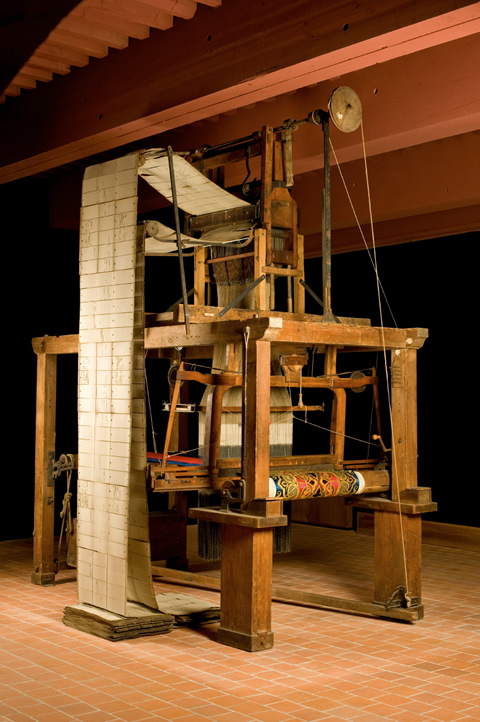
Power looms threaten weavers

In the early XIXe century, power looms disrupt the English textile industry. The Luddites attack machines that reduce the value of their expertise. Wikiquote summarizes the origin of the term Luddite and also preserves protest texts from the period, including .